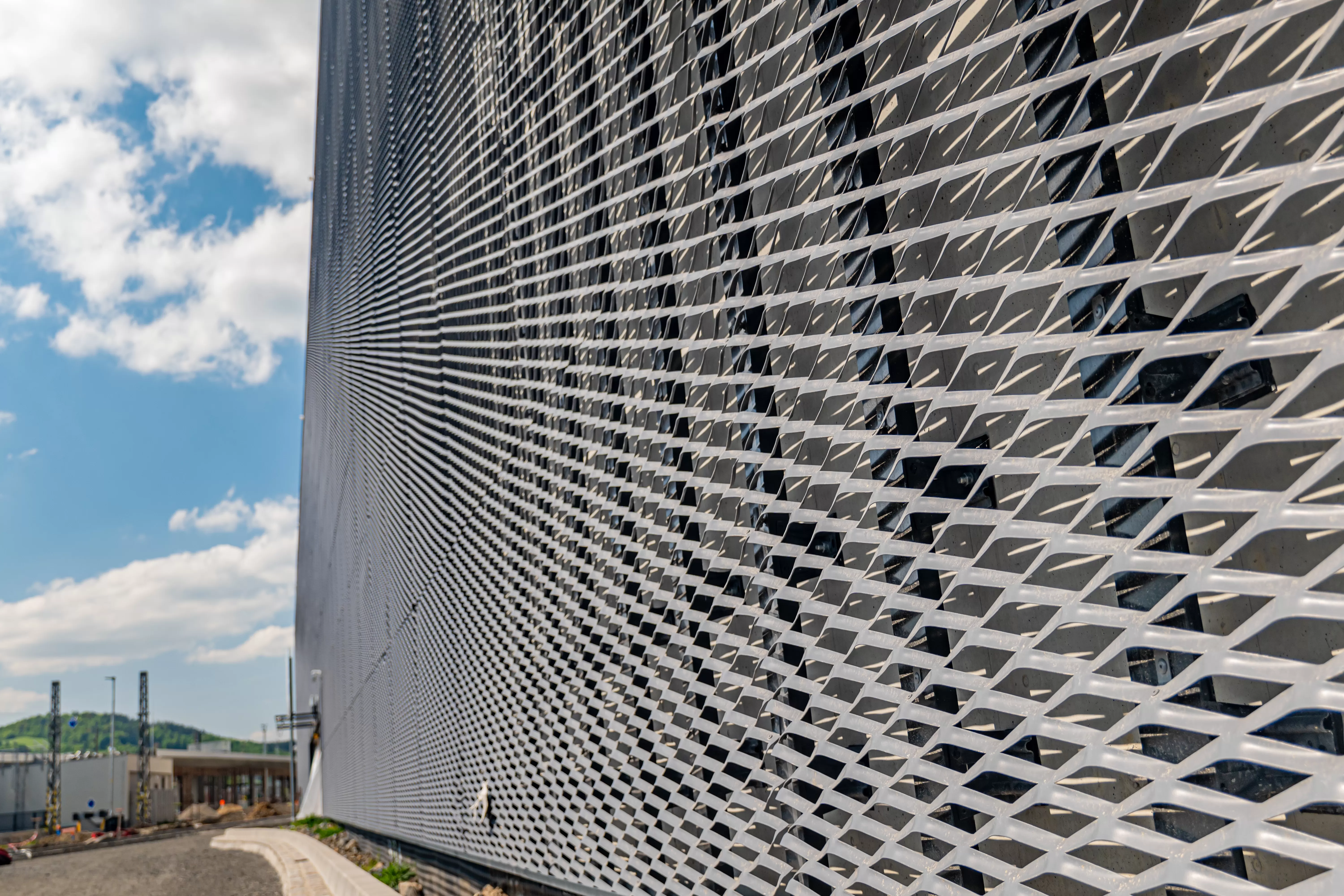
Perforated sheets, whether perforated sheet or expanded metal, are widely used in façade applications. To ensure they perform as intended while preserving their aesthetic value, the fixing system must be correctly designed and properly executed.
Depending on project requirements
several proven solutions are available:
-
L-section frame
Welding expanded metal into or onto an L-section frame provides a structurally simple and robust solution with a clean, typically right-angled perimeter finish. The L-section provides adequate weld area and ensures overall panel stability. This method is particularly suitable for façade elements requiring precise geometry and straightforward fixing to the substructure. For larger formats, the frame can be subdivided using a T-section. This is the best-selling expanded metal façade system.
-
Additional flat bar
Welding flat bars vertically to the rear edges of the expanded metal creates a load-bearing element suitable for façade installation. This is the most cost-effective option and, where rear support strips are welded behind the expanded metal, combines ease of installation with a lightweight appearance. Flat bars positioned along the edges are suitable for smaller formats where side fixing is required.
-
Brackets
Brackets provide secure and stable fixing of expanded metal without the need for welding. Thanks to the concealed fixing system, the front elevation remains clean and unobstructed. Brackets distribute loads evenly across multiple fixing points, increasing the durability and reliability of the overall structure. This solution is suitable for fixing to sandwich panels or façades that allow multiple fixing points without the need for a substructure. The lower manufacturing cost is offset by more precise and time-consuming installation.
-
Closed hollow section frame
Welding expanded metal into a frame formed from a closed hollow section creates a robust and highly durable element. The closed profile provides exceptional rigidity. This system is primarily used where increased frame strength or a specific method of installation is required.
-
U-section frame
Welding expanded metal into a U-section frame is used primarily where the expanded metal is inserted into the profiles and framed around the full perimeter or along the sides, giving the façade greater depth and articulation. Alternatively, the expanded metal can be welded onto the U-sections. This creates a rigid and stable construction with the material securely retained, increasing load capacity and overall panel durability. Where full perimeter framing is applied, the lower section of the frame is provided with drainage holes.
-
P-section frame
Welding expanded metal into a P-section frame provides a clean perimeter finish and high rigidity of the element. Owing to the secure fixing and enclosed edges, this system is used primarily for fencing panels, gates and wickets. The frames must incorporate drainage channels on the underside to allow for condensate discharge.
-
L-section hanging frame
An L-section frame designed for hanging allows straightforward installation and removal without visible front fixings. This system is used where rapid installation and a clean appearance are required. It is suitable for façade and decorative panels as well as lighter structures. This method requires a specific substructure.
-
Fixing to an Omega profile
An L-section frame designed for hanging allows straightforward installation and removal without visible front fixings. This system is used where rapid installation and a clean appearance are required. It is suitable for façade and decorative panels as well as lighter structures. This method requires a specific substructure.
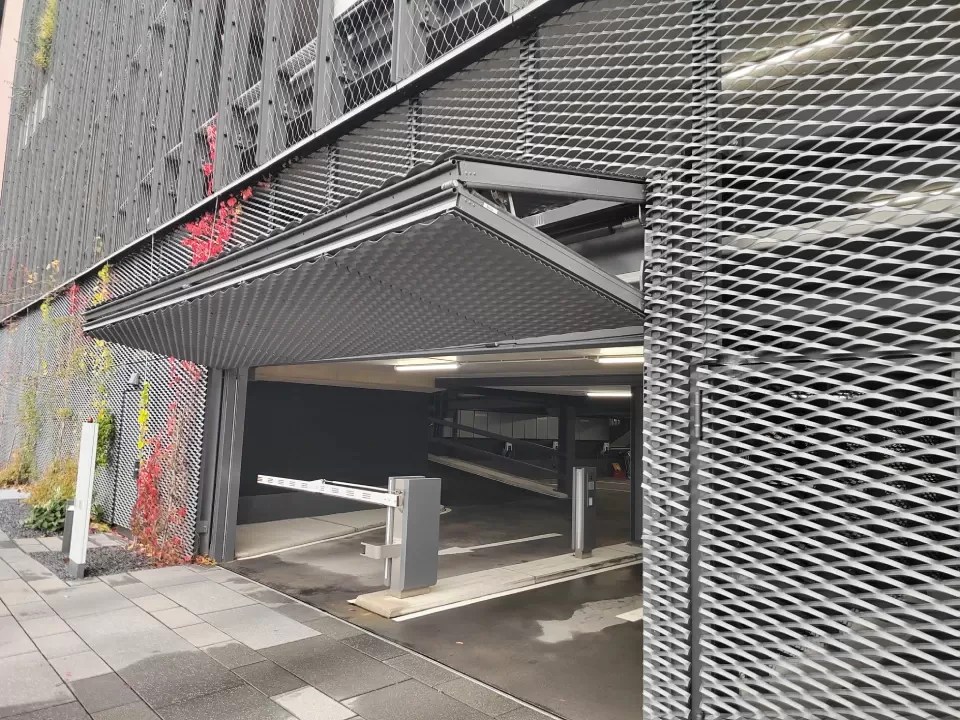
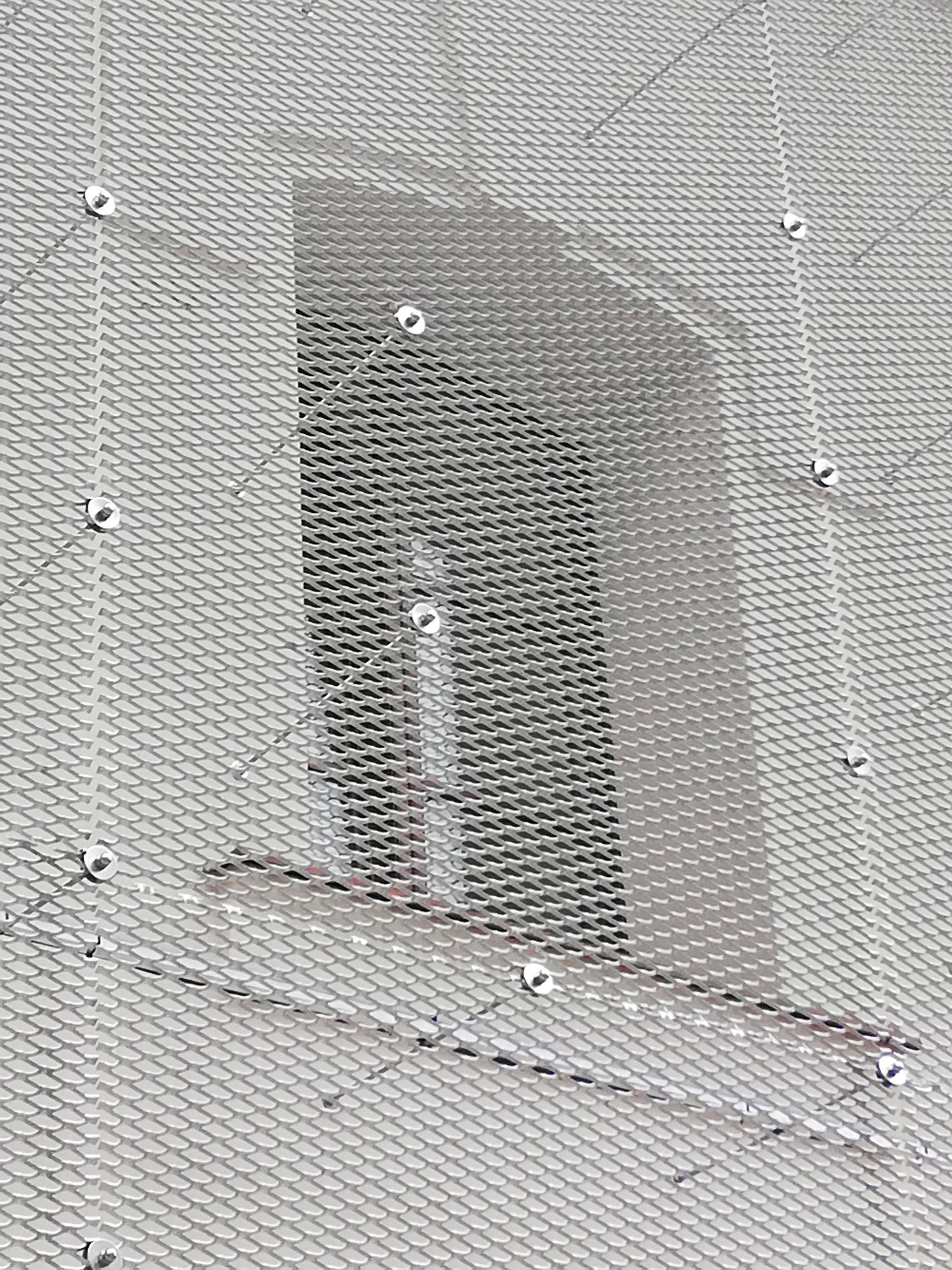
Our recommendations include:
- Selecting the appropriate fixing method (clips, riveting, bolted connections or concealed systems).
- Selecting the material and surface finish of fixing components to ensure long-term durability in external conditions.
- Integrating the fixings into the architectural concept to maintain consistent façade lines and overall aesthetics.
- Recognising that the appropriate fixing method always depends on the specific project conditions
– sheet size and thickness, structural requirements and architectural intent.
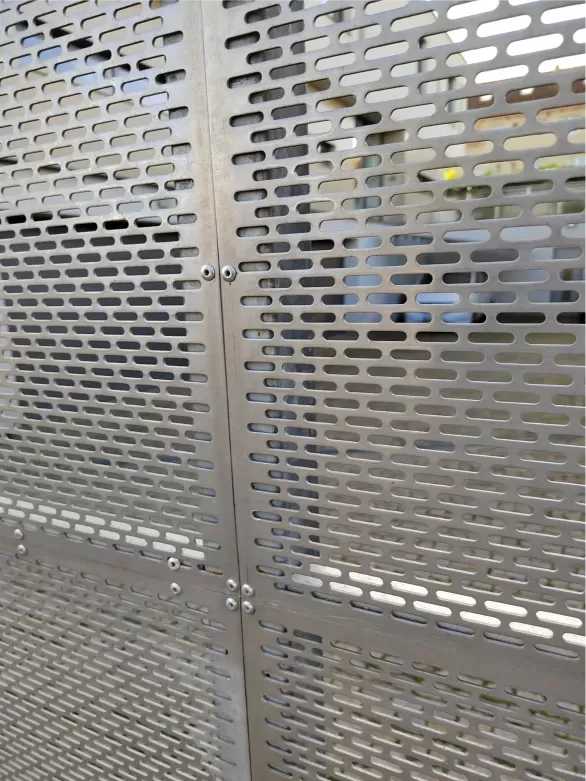
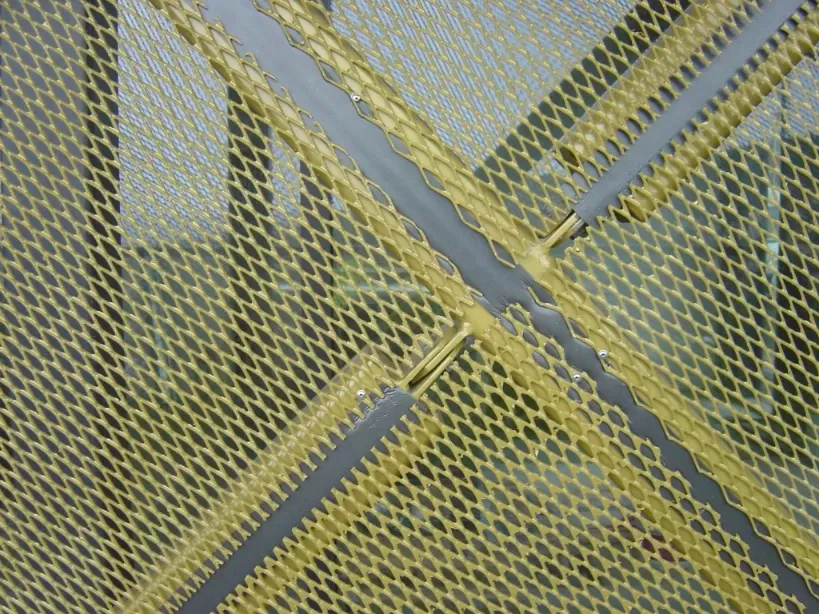
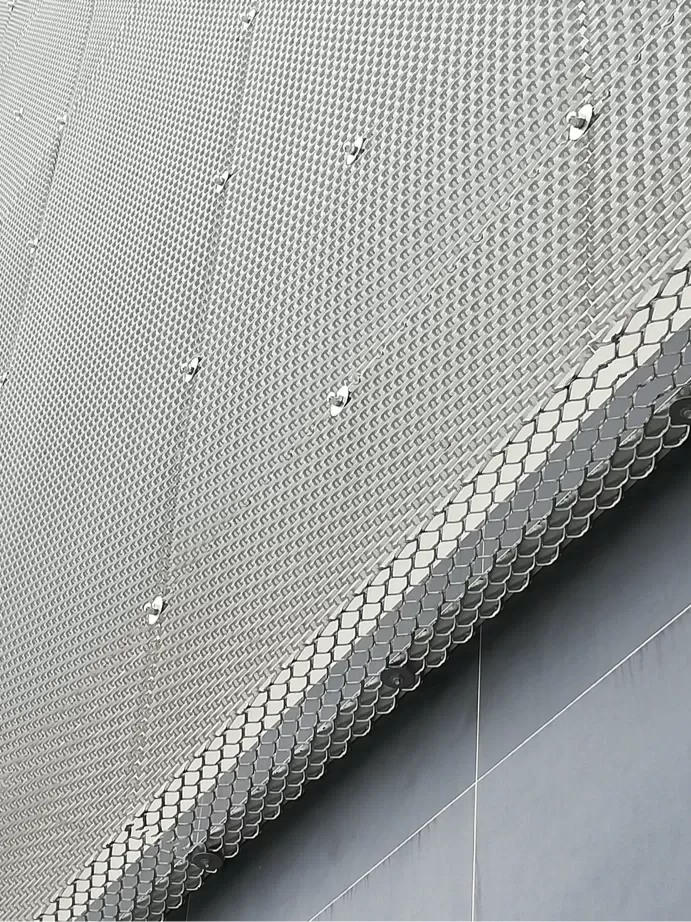
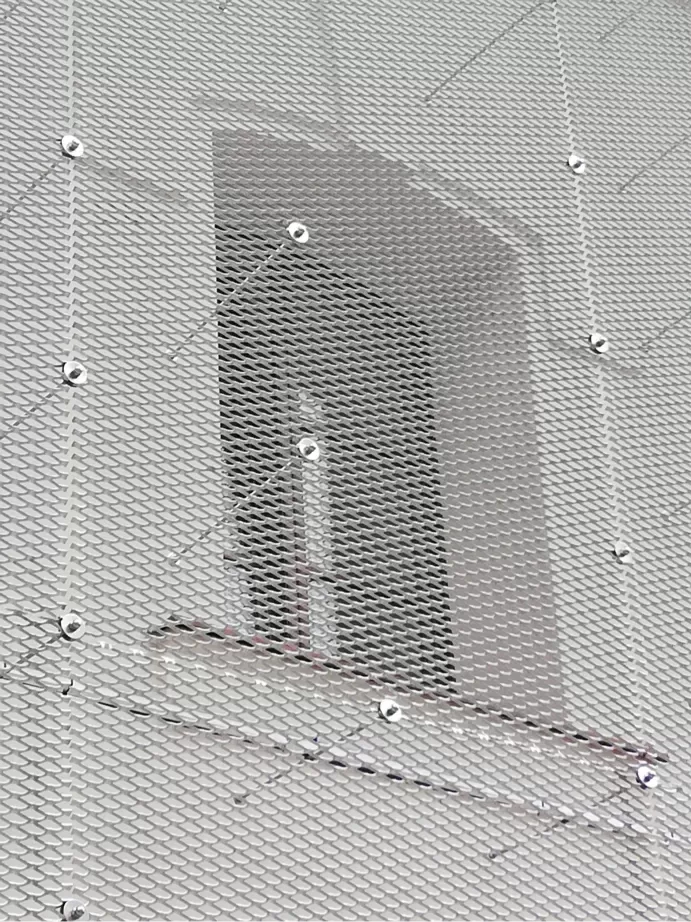
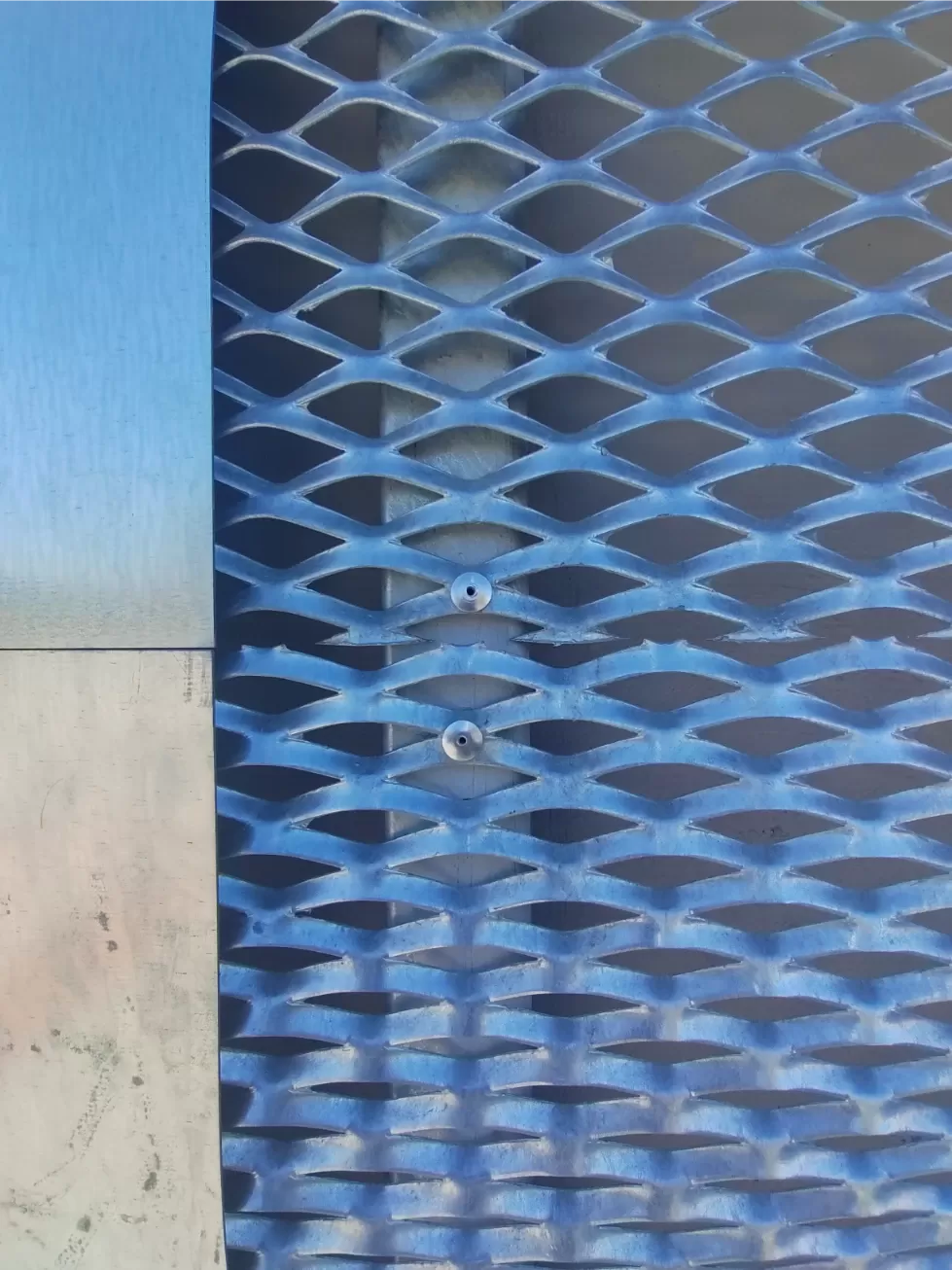
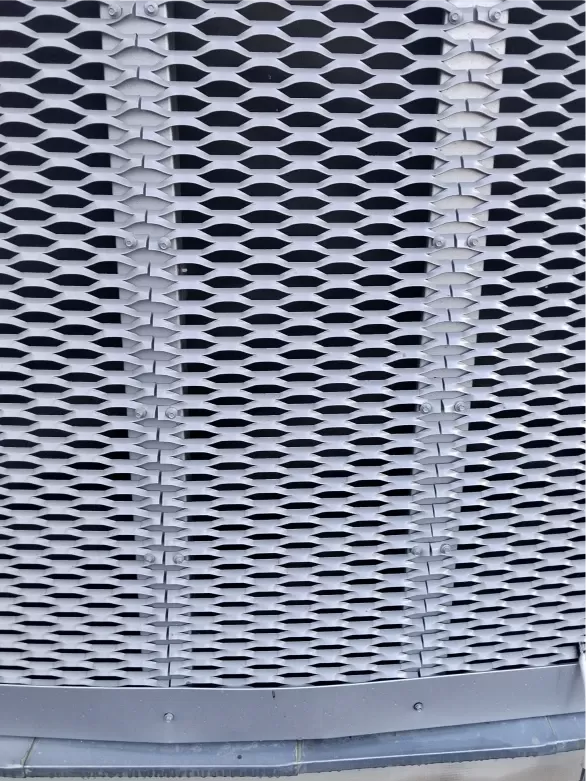
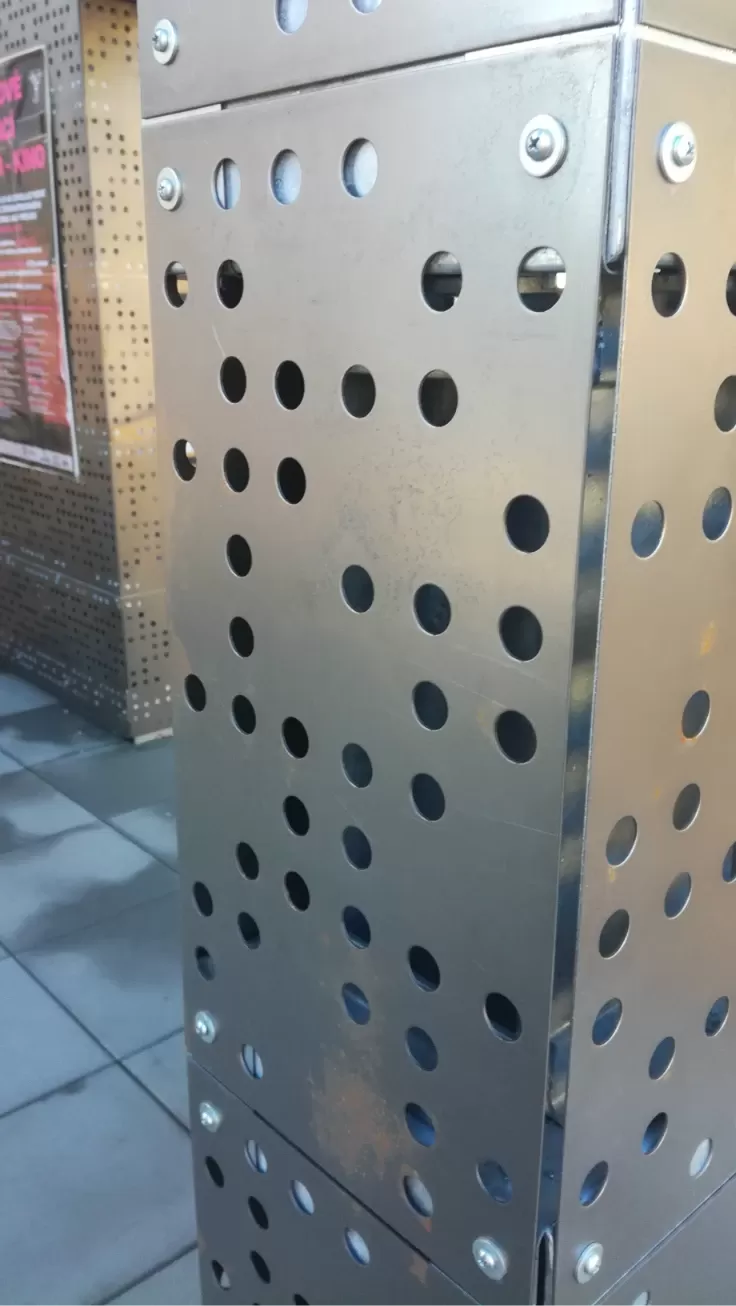
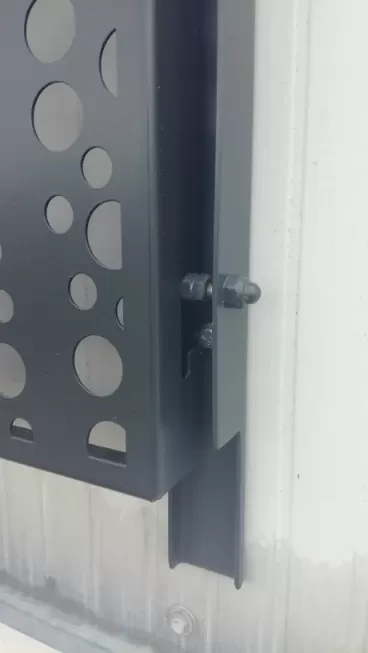
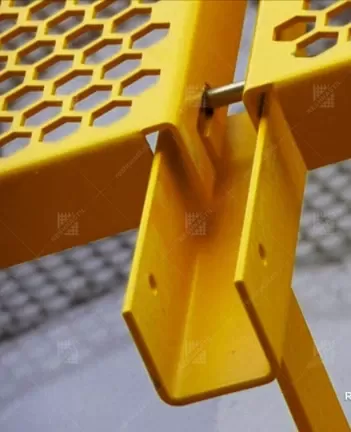
Example of facade element installation
Send us your concept
Have a specific concept or drawing? Send it to us – together we will identify the most suitable fixing method and prepare a solution tailored to your project.